
- Day 1: Arusha National Park
- Day 2: Tarangire National Park
- Day 3: Lake Manyara National Park
- Day 4: Serengeti National Park (central west/east)
- Day 5: Serengeti National Park (central west/east)
- Day 6: Serengeti National Park (central west/east)
- Day 7: Ngorongoro Conservation Area (incl. Crater)
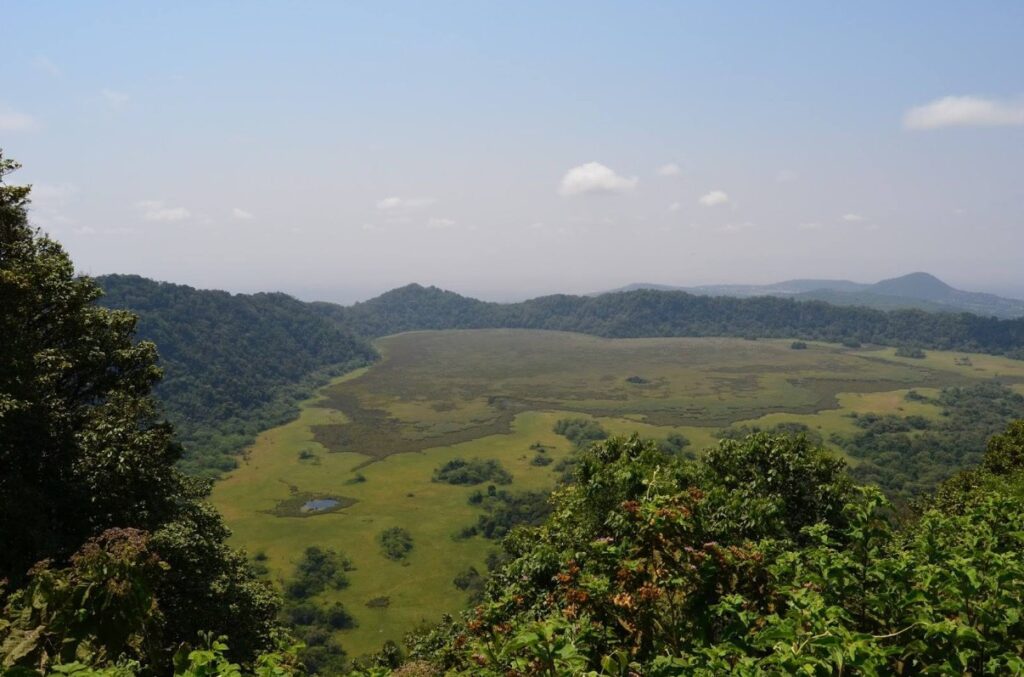
1. Arusha National Park has three distinct ecoregions. The Meru Crater channels the Jekukumia River, with the peak of Mount Meru standing majestically on its rim. In the southeast, the Ngurdoto Crater features expansive grasslands. Meanwhile, the shallow, alkaline Momella Lakes in the northeast display a stunning array of algal colours and are renowned for their abundance of wading birds.
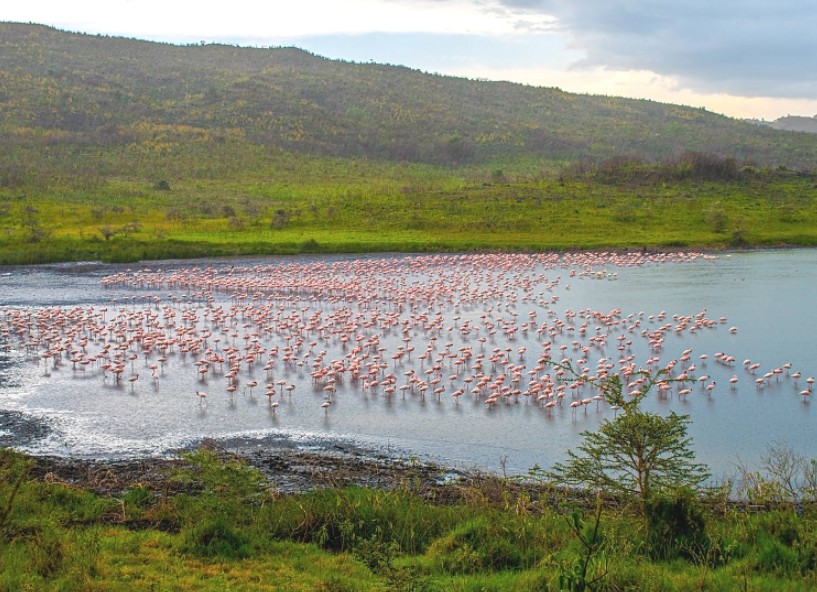
Mount Meru (second highest peak in Tanzania), swamps, lakes, waterfalls and craters! A beautiful park with a wide diversity of landscapes and wildlife.
2. Tarangire National Park is well known for its big groups of elephants and giant baobab trees.
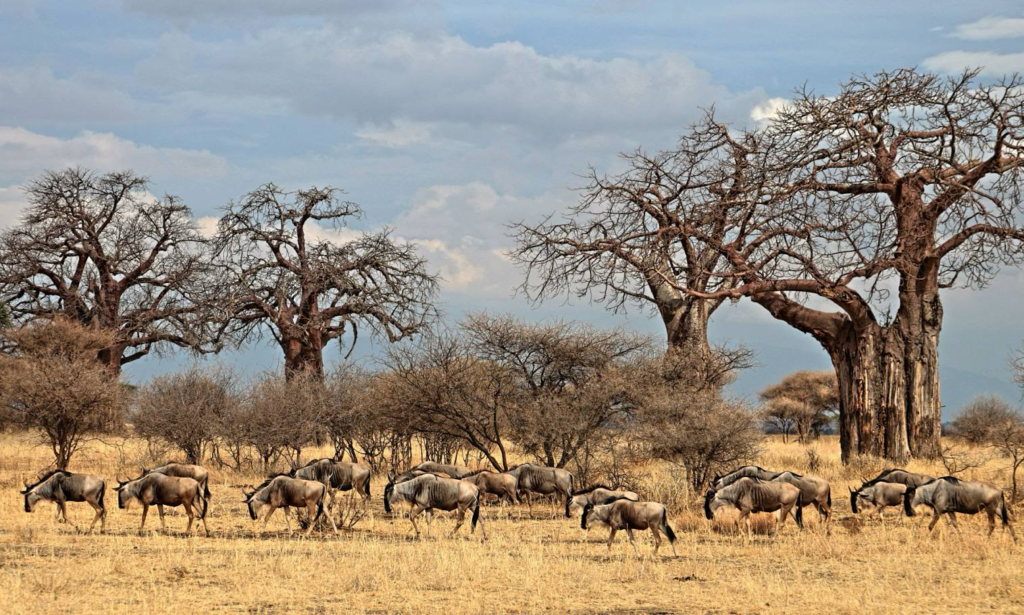
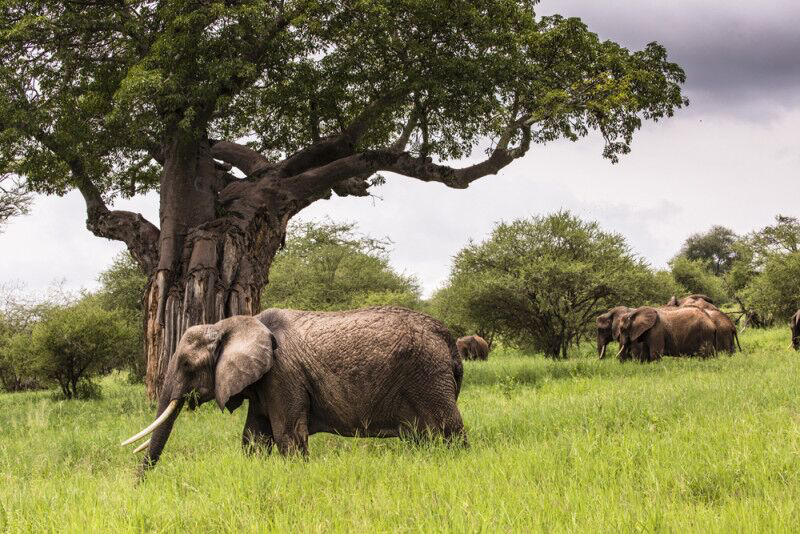
During the dry season thousands of animals concentrate in Tarangire National Park from the surrounding areas as the Tarangire River is the primary source of fresh water during this period.
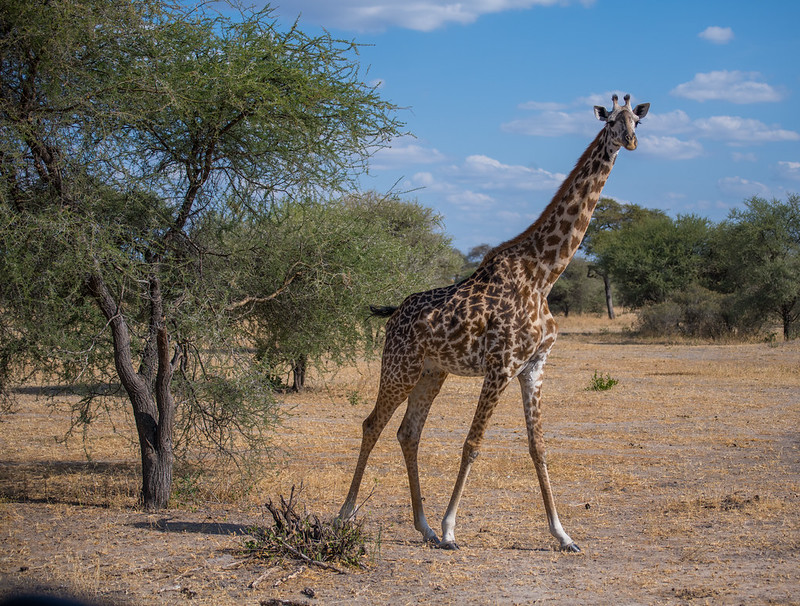
The park has a plethora of herbivores, Including zebra, wildebeest, cape buffalo, elephants, waterbuck, giraffe, dik dik, impala, eland and Grant’s gazelle. Other common resident animals include, vervet monkey, banded mongoose, and olive baboon. Carnivores in Tarangire include lion, leopard, cheetah, caracal, honey badger, and African wild dog.
For those bird enthusiasts there are more than 550 bird species.
Plenty to see in a smaller area than the Serangeti.
LAKE MANYARA NATIONAL PARK
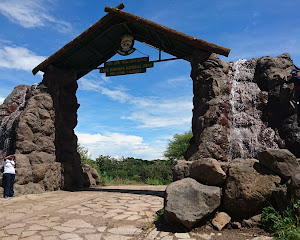
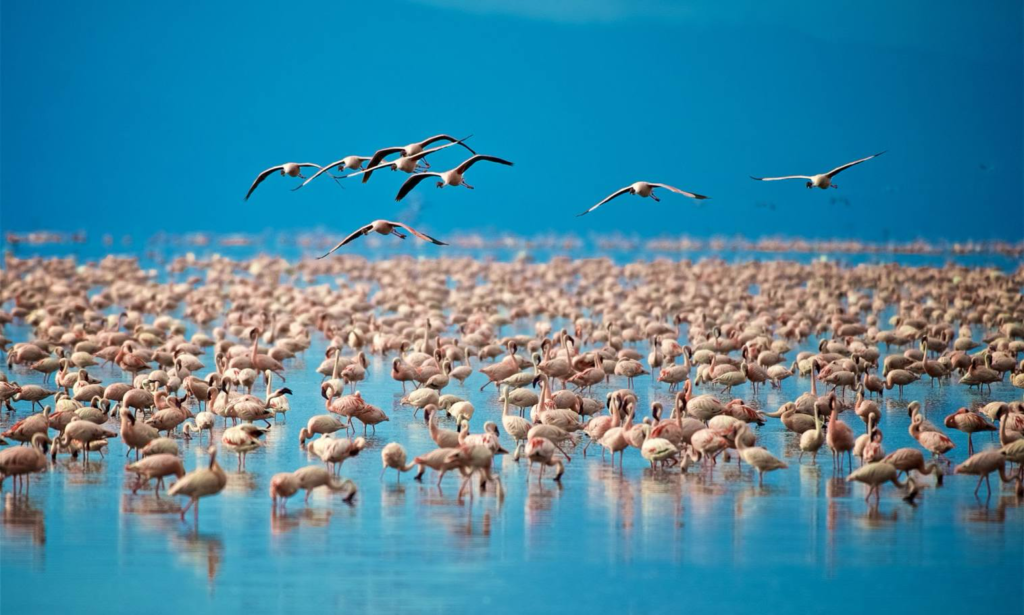
Welcome to Lake Manyara National Park well known for the tree climbing lions, the soda ash lake that attracts thousands and pink flamingos, one of Tanzania’s
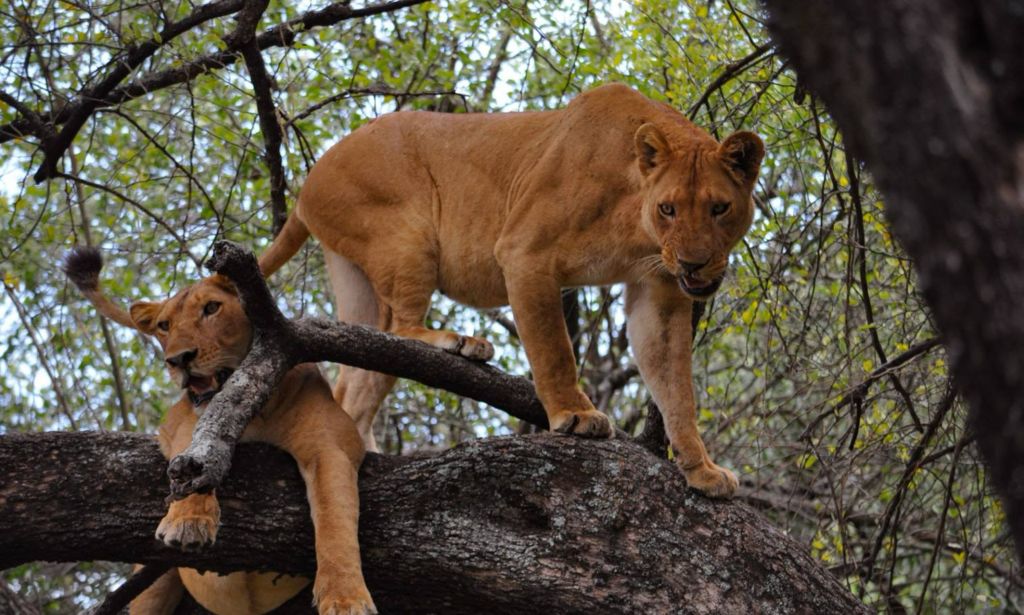
Lake Manyara National Park is a protected area in Tanzania’s Arusha and Manyara Regions, situated between Lake Manyara and the Great Rift Valley.
It is administered by the Tanzania National Parks Authority, and covers an area of 325 km² including about 230 km² lake surface
SERENGETI NATIONAL PARK
The Serengeti National Park is a large national park in northern Tanzania that stretches over 14,763 km2 (5,700 sq mi). It is located in eastern Mara Region …
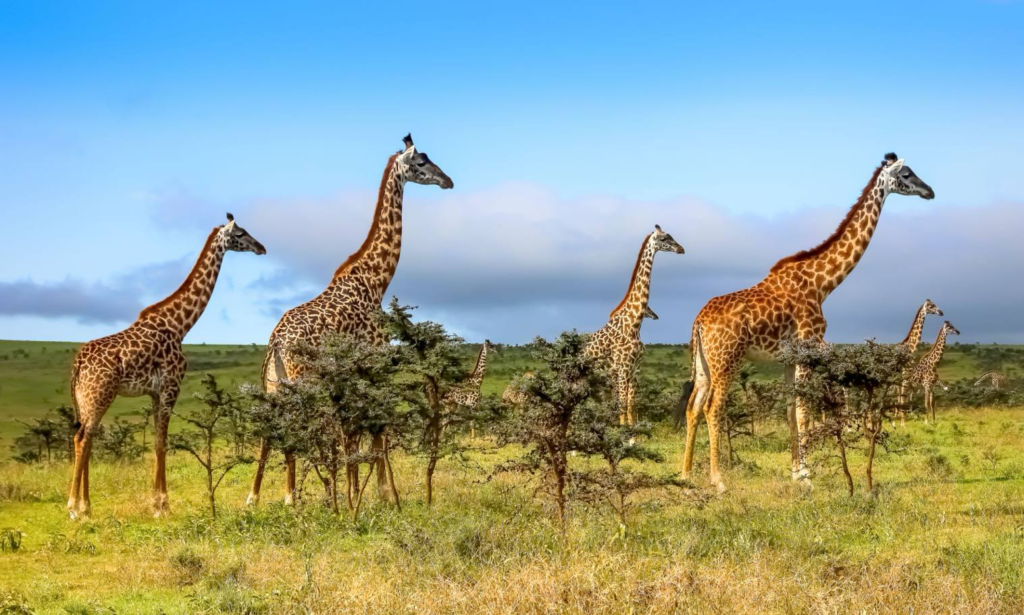
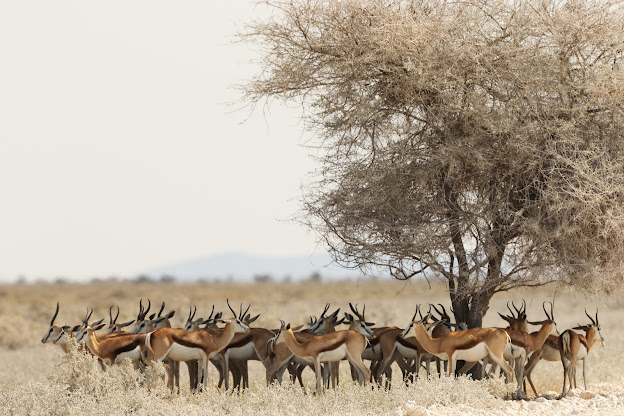
Serengeti National Park, in northern Tanzania, is known for its massive annual migration of wildebeest and zebra. Seeking new pasture, the herds move north from their breeding grounds in the grassy southern plains. Many cross the marshy western corridor’s crocodile-infested Grumeti River. Others vee ― Google… more
NGORONGORO CRATER
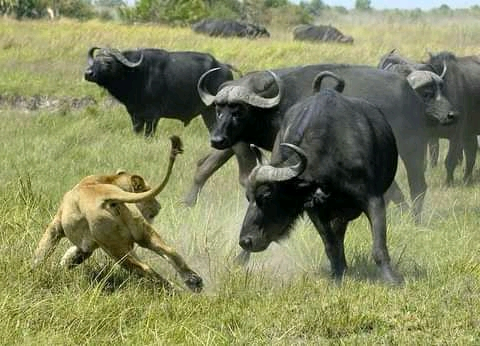
Ngorongoro Conservation Area is in northern Tanzania. It’s home to the vast, volcanic Ngorongoro Crater and “big 5” game (elephant, lion, leopard, buffalo, rhino). Huge herds of wildebeests and zebras traverse its plains during their annual migration. Livestock belonging to the semi-nomadic Maasai tribe graze alongside wild animals. Hominin fossils found in the Olduvai Gorge date back millions of years.
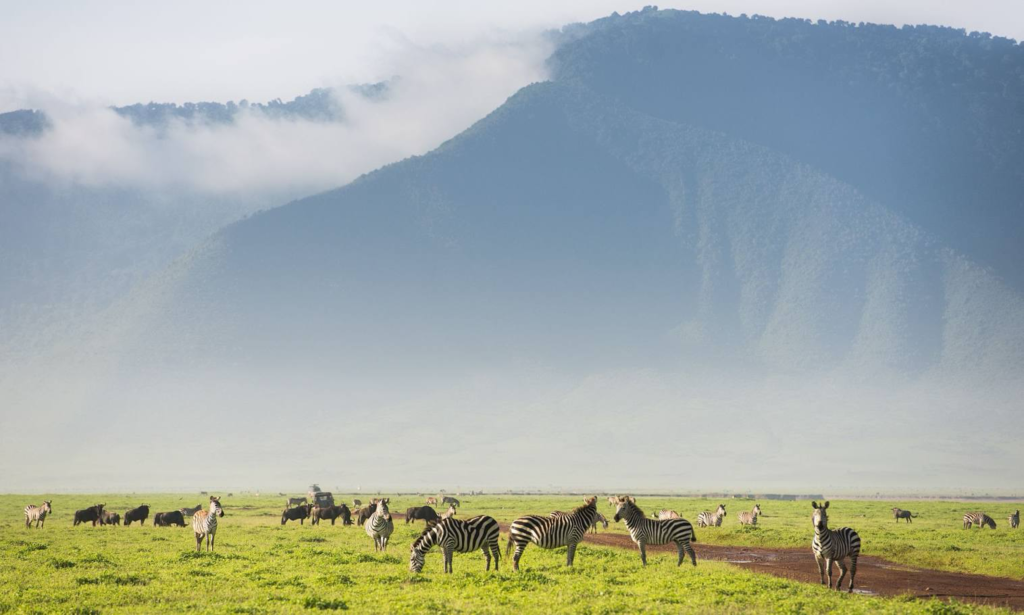
The Ngorongoro Conservation Area spans vast expanses of highland plains, savanna, savanna woodlands and forests. Established in 1959 as a multiple land use …
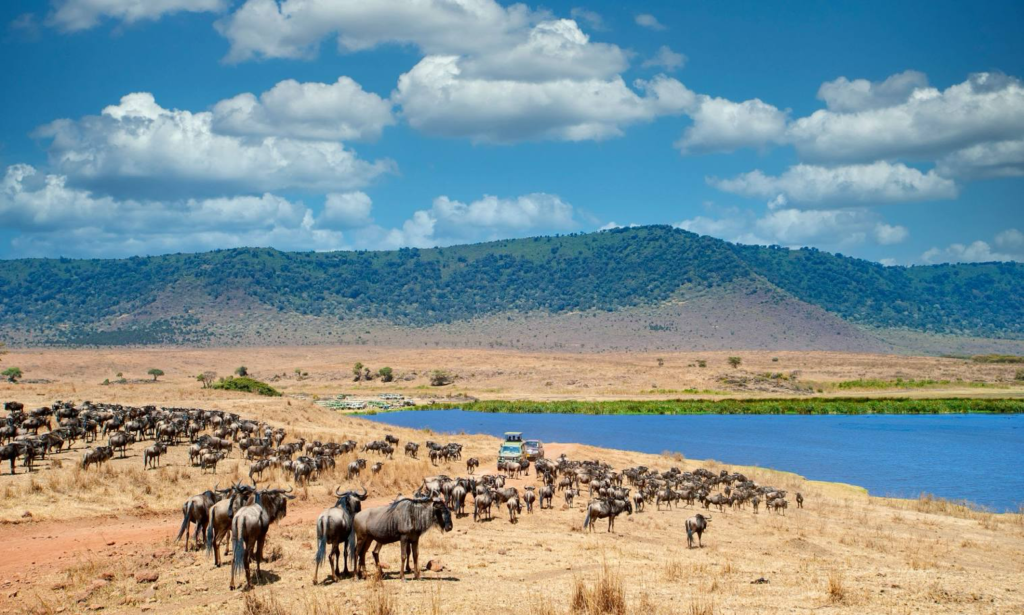
The Ngorongoro Conservation Area spans vast expanses of highland plains, savanna, savanna woodlands and forests. Established in 1959 as a multiple land use area, with wildlife coexisting with semi-nomadic Maasai pastoralists practicing traditional livestock grazing, it includes the spectacular Ngorongoro Crater, the world’s largest caldera. The property has global importance for biodiversity conservation due to the presence of globally threatened species, the density of wildlife inhabiting the area, and the annual migration of wildebeest, zebra, gazelles and other animals into the northern plains. Extensive archaeological research has also yielded a long sequence of evidence of human evolution and human-environment dynamics, including early hominid footprints dating back 3.6 million years.
PLEASE CONTACT FOR AVAILABILITY & PRICE